All posts by LsHosPtl_Admin

urology

Comprehensive Guide to Urological Health: Common Conditions and Modern Treatments

Introduction
Good urological health is essential for quality of life at every age. The urology team at Laser Stone Hospital offers expert diagnosis and treatment options for a wide range of urinary and reproductive system conditions, utilizing cutting-edge technology and personalized care.

Common Urological Conditions

  1. Kidney Stones: Hard mineral deposits that can cause severe pain when passing through the urinary tract. Treatment often includes laser-assisted lithotripsy for fragmentation and removal.

  2. Enlarged Prostate (BPH): A common condition in older men leading to frequent urination and discomfort.

  3. Urinary Tract Infections (UTIs): Bacterial infections that can affect any part of the urinary system.

  4. Male Infertility & Erectile Dysfunction: Urological evaluation and modern treatments can significantly improve outcomes.

Modern Treatment Approaches

  • Laser Stone Treatment: An advanced technique to safely break and clear kidney stones with minimal discomfort.

  • Prostate Treatments: Options include medication, minimally invasive interventions, or surgery, depending on severity.

  • Urethral Stricture Management: Precision urological techniques restore normal urinary flow.

Preventive Tips for Urological Health

  • Hydration: Drinking adequate water can help prevent stone formation.

  • Routine Screening: Especially for men over 40 to monitor prostate health.

  • Healthy Lifestyle: Balanced diet and regular exercise support overall urinary system function.

Conclusion
From kidney stone management to complex prostate care, comprehensive urological services at Laser Stone Hospital are designed to deliver effective, personalized treatment. Early consultation and proactive care can greatly improve both short- and long-term outcomes for patients of all ages.
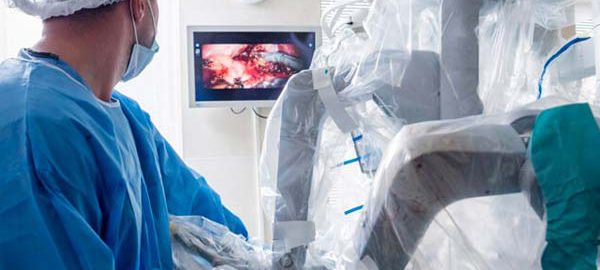
Laparoscopic sterilization

Laparoscopic Gynecology: A Better Path to Women’s Reproductive Health

Introduction
Laparoscopic gynecology has become a cornerstone in treating a range of women’s health issues, offering safe and effective alternatives to traditional open surgery. At Laser Stone Hospital, we specialize in advanced laparoscopic procedures that support quicker recovery and minimal scarring.

What Is Laparoscopic Gynecology?
This branch of surgery uses small incisions and a tiny camera (laparoscope) to view and treat internal pelvic organs, including the uterus, ovaries, and fallopian tubes. Compared to open surgery, laparoscopic methods significantly reduce patient trauma and recovery time.

Conditions Commonly Treated

  • Uterine Fibroids: Non-cancerous growths that can cause heavy bleeding and discomfort.

  • Ovarian Cysts: Fluid-filled sacs on the ovaries that may require removal.

  • Uterine Prolapse: When pelvic organs descend due to weakened support structures.

Types of Laparoscopic Procedures

  • Laparoscopic Myomectomy: Fibroid removal while preserving the uterus.

  • Laparoscopic Sterilization: Permanent birth control via blocking or sealing the fallopian tubes.

  • Single Incision Laparoscopic Surgery (SILS): Uses a single small incision for even less scarring and pain.

Advantages for Patients

  • Faster Recovery: Most patients return home sooner and regain normal activities quicker.

  • Minimized Scarring: Small incisions mean less visible marks and lower risk of complications.

  • Less Post-operative Discomfort: Reduced tissue trauma leads to less pain after surgery.

Conclusion
Laparoscopic gynecology offers a patient-centered path to treating many common reproductive conditions. At Laser Stone Hospital, our trained gynecological surgeons combine expertise with advanced technologies to deliver effective, minimally invasive care tailored to each woman’s needs.

minimaly invasive urological surgery

Understanding Minimally Invasive Urological Procedures: Benefits & Applications

Introduction
At Laser Stone Hospital, we are committed to delivering high-quality urological care using the latest technology and surgical techniques. Minimally invasive procedures have transformed modern urology by reducing pain, shortening hospital stays, and improving recovery outcomes.

What “Minimally Invasive” Means
Minimally invasive surgery refers to techniques that require small incisions or no large cuts at all, often using specialized instruments like endoscopes or laparoscopes. Unlike traditional open surgery, these approaches reduce trauma to surrounding tissues and result in quicker healing.

Common Minimally Invasive Urological Treatments

  • Laser Lithotripsy for Kidney Stones: Uses focused laser energy to break stones into tiny fragments that can be passed naturally or removed with minimal discomfort.

  • Endoscopic Ureteral Procedures: Enables treatment of strictures or blockages with an internal camera.

  • Laparoscopic Prostate Surgery: Offers precise treatment of prostate conditions with small incisions and faster recovery.

Key Benefits for Patients

  • Less Post-operative Pain: Smaller incisions cause fewer nerve disruptions.

  • Faster Recovery: Many patients resume normal activities sooner than with traditional surgery.

  • Lower Infection Risk: Limited tissue exposure reduces infection risk and blood loss.

Conclusion
Minimally invasive techniques represent the future of urological surgery, combining precision, comfort, and safety. At Laser Stone Hospital, our experienced surgeons tailor these advanced approaches to each individual’s condition, ensuring better outcomes and enhanced patient satisfaction.