Best Urologist in Rohini, Delhi – Dr. Anil Agarwal
Experienced Urologist at Laser Stone Hospital, Sector-15, Rohini
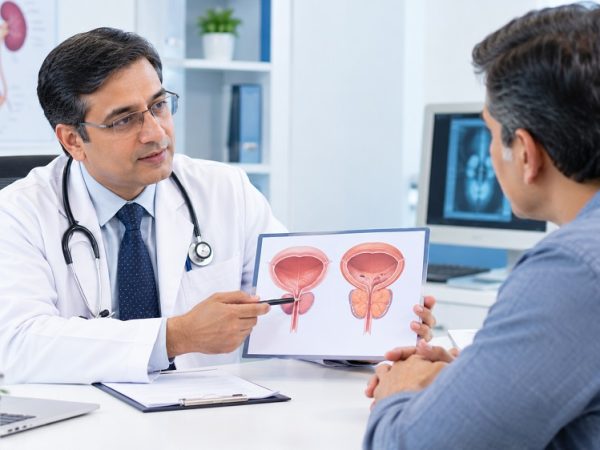
Urinary and male reproductive problems are common, but many people delay seeing a doctor because of embarrassment or fear of surgery. Dr. Anil Agarwal is a urologist in Rohini, Delhi, with more than 20 years of experience in diagnosing and treating disorders of the kidneys, ureters, bladder, prostate and male reproductive system. He practices at Laser Stone Hospital, C1/10, Sector-15, Rohini, where consultation, diagnostic tests and surgery are available at one centre.
Patients visit from Rohini, Pitampura, Prashant Vihar, Shalimar Bagh, Model Town, Rithala, Bawana, Narela, Haiderpur and nearby parts of North and North-West Delhi.
Call for appointment: +91 7048955064 | WhatsApp: +91 7048955064
About Dr. Anil Agarwal
Dr. Anil Agarwal holds an M.B.B.S. (Hons), M.S. and DNB (Urology). Over two decades he has treated patients with kidney and ureteric stones, enlarged prostate, urinary infections, urethral strictures, male sexual and fertility problems and urological cancers. He has a particular focus on minimally invasive and laser procedures, which generally mean smaller or no incisions, less pain and a faster return to routine for suitable patients.
| Qualifications | M.B.B.S. (Hons), M.S., DNB (Urology) |
| Experience | 20+ years |
| Registration | [Delhi Medical Council no.] |
| Practices at | Laser Stone Hospital, Sector-15, Rohini |
| Special interests | Laser stone surgery, prostate surgery, laparoscopic and minimally invasive urology |
| Consultation timings | [Days and hours] |
| Languages | Hindi, English [add others] |
[Add: memberships (e.g. Urological Society of India), training institutions, talks or publications, only if verifiable.]
What does a urologist treat?
A urologist is a surgeon who specialises in the urinary tract of both men and women and in the male reproductive organs. You should consider seeing one if you have problems with the kidneys, ureters, bladder, urethra, prostate, testicles or penis. Urologists in Rohini manage conditions with medicines and lifestyle advice where possible, and perform surgery only when it is truly needed.
Conditions treated by Dr. Anil Agarwal
Kidney stones and ureteric stones
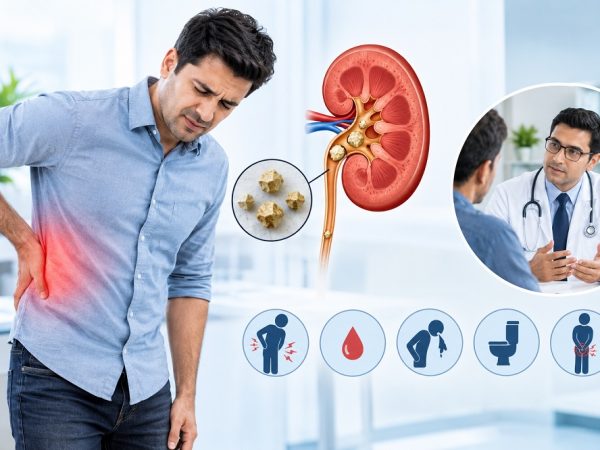
Kidney stones form when minerals and salts crystallise inside the kidney. They can stay silent for years or cause severe pain when they move into the ureter.
Common symptoms: sudden severe pain in the back or side that may spread to the groin, blood in the urine, burning or frequent urination, nausea or vomiting, and fever if there is infection.
Evaluation: ultrasound, X-ray KUB or CT scan, urine tests and blood tests to check kidney function.
Treatment options: small stones (generally under 5 mm) often pass on their own with plenty of fluids and medicines that relax the ureter. Larger or stuck stones may need laser lithotripsy (RIRS or URS), shock wave lithotripsy (ESWL) or PCNL for very large kidney stones. The right option depends on the stone’s size, position and hardness, and Dr. Agarwal explains why he recommends one over the others. Read more: Kidney stone treatment in Rohini and Ureteric stone treatment.
Enlarged prostate (BPH)
After about 50, the prostate commonly grows and presses on the urine passage.
Symptoms: frequent urination, waking at night to pass urine, a weak or interrupted stream, straining, a feeling that the bladder hasn’t emptied, and sudden urgency.
Evaluation: symptom score, prostate examination, PSA blood test, urine test, ultrasound with residual urine measurement and uroflowmetry.
Treatment options: lifestyle changes and medicines for mild to moderate symptoms, and surgery such as TURP or laser prostate surgery when medicines are not enough or complications such as retention, stones or infections occur. Read more: Enlarged prostate treatment in Rohini.
Urinary tract infections (UTI)
UTIs cause burning during urination, frequent urges, lower abdominal pain, cloudy or foul-smelling urine and sometimes fever. Recurrent infections should be investigated for an underlying cause such as stones, incomplete bladder emptying or prostate problems rather than treated with repeated antibiotics alone. A urine culture helps choose the right antibiotic. Read more: UTI treatment in Rohini.
Blood in urine (hematuria)
Visible blood in the urine should never be ignored, even if it is painless and goes away. Causes range from infection and stones to prostate problems and, less commonly, tumours of the bladder or kidney. Evaluation usually includes urine tests, ultrasound and cystoscopy.
Erectile dysfunction and male sexual health
Erectile problems can come from diabetes, high blood pressure, heart disease, hormone problems, medicines, stress or relationship issues. After a private consultation and the necessary tests, treatment may include lifestyle changes, medicines, counselling and other options chosen for the individual. Read more: Erectile dysfunction treatment in Rohini.
Male infertility
Male factors contribute to a significant share of couples’ fertility problems. Evaluation starts with a semen analysis, physical examination and hormone tests where needed. Treatable causes include varicocele, infections and hormonal issues. Read more: Male infertility treatment.
Phimosis, circumcision and hydrocele
Tight foreskin (phimosis), recurring infections of the foreskin, and swelling of the scrotum from hydrocele are common concerns in boys and men. Mild phimosis sometimes responds to medicated creams, while circumcision is advised for recurrent infection or scarring. Hydrocele that is large or uncomfortable is treated surgically. Read more: Phimosis, Circumcision and Hydrocele.
Urethral stricture
Narrowing of the urine passage causes a thin, spraying stream, straining, and repeated infections. Treatment may be a simple endoscopic procedure or reconstructive surgery, depending on the length and location of the narrowing. Read more: Urethral stricture treatment in Rohini.
Overactive bladder, voiding difficulty and incontinence
Sudden urges, frequent trips to the toilet, leaking urine or difficulty passing urine affect both men and women. Treatment includes bladder training, medicines, pelvic floor exercises and, where necessary, procedures. Read more: Overactive bladder, Voiding difficulty and Female urinary incontinence.
Urological cancers
Cancers of the prostate and bladder are more treatable when found early. Dr. Agarwal evaluates symptoms, PSA levels and imaging, and guides patients on the next steps. Read more: Prostate cancer treatment and Bladder cancer.
Procedures and diagnostic services
Diagnostics: ultrasound, uroflowmetry, post-void residual measurement, cystoscopy, urine culture, PSA testing, semen analysis [edit to what is available].
Surgical procedures: RIRS and URS laser lithotripsy, PCNL, laser or TURP prostate surgery, urethrotomy and urethroplasty, hydrocele surgery, circumcision, varicocele surgery, laparoscopic urological surgery.
What to expect at your first visit
- History and examination. Dr. Agarwal listens to your symptoms and asks about medicines, past illnesses and family history, then conducts a focused examination.
- Tests, if needed. Only tests relevant to your complaint are advised.
- Diagnosis in plain language. You are shown your reports and told what they mean.
- Treatment options. Medical and surgical choices are explained, including the benefits, risks, expected recovery and approximate cost, so you can decide without pressure.
- Follow-up. A clear follow-up plan is given, and you can call the clinic with questions.
When should you see the best urologist in Rohini?
Book a consultation if you have:
- Blood in your urine
- Pain or burning while passing urine
- Severe pain in the back or side
- Frequent urination, night-time urination or a weak stream
- Difficulty starting or fully emptying the bladder
- Repeated urinary infections
- Pain, lumps or swelling in the testicles
- Erectile or fertility concerns
Go to the emergency department immediately if you cannot pass urine at all, or have severe pain together with fever and chills.
Recovery and aftercare
Recovery depends on the procedure. After laser stone surgery many patients are discharged within [a day] and resume light work within [a few days], though a temporary stent may cause mild discomfort. Prostate and reconstructive surgeries need longer recovery. Before any procedure you will receive written instructions on diet, medicines, wound care and warning signs.
Why patients choose Laser Stone Hospital
- Experience: 20+ years of urological practice
- Minimally invasive focus: laser and keyhole options wherever medically suitable
- Everything in one place: consultation, diagnostics and surgery
- Privacy: respectful, confidential consultations, especially for sexual health concerns
- Transparent communication: clear explanation of diagnosis, options and costs
- Convenient location: Sector-15, Rohini, near [nearest metro station and landmark], with [parking details]
Frequently asked questions
Who is a good urologist in Rohini?
Look for a qualified urologist with a recognised urology degree (MCh or DNB), a valid medical council registration, years of surgical experience and genuine patient feedback. Dr. Anil Agarwal holds a DNB in Urology and has over 20 years of experience.
What is the difference between a urologist and a nephrologist?
A urologist is a surgeon who treats stones, prostate problems, urinary tract disorders and male reproductive issues. A nephrologist treats medical kidney diseases such as chronic kidney disease and dialysis.
Do all kidney stones need surgery?
No. Small stones often pass on their own with fluids and medicines. Surgery is advised for large stones, stones causing blockage or infection, or those that do not pass.
Is laser treatment for kidney stones painful?
Laser lithotripsy is done under anaesthesia, so you do not feel pain during the procedure. Mild discomfort, burning urine or a little blood in the urine for a few days is common afterwards.
How can I prevent kidney stones from coming back?
Drink enough water to pass about 2.5 litres of urine a day, limit excess salt, eat a balanced diet, and follow any dietary advice based on your stone type and tests.
At what age should men get their prostate checked?
Men with urinary symptoms should be checked at any age. For screening without symptoms, discuss PSA testing with a urologist in Rohini from around age 50, or earlier with a family history of prostate cancer.
Is it normal to wake up at night to urinate?
Once is common with age, but repeated waking can signal prostate enlargement, diabetes, an overactive bladder or other causes worth checking.
Are sexual health consultations confidential?
Yes. All consultations are private.
Do you accept health insurance?
Yes
How do I book an appointment?
Call +91 7048955064, send a WhatsApp message, or fill in the form on this page.
Location and contact
Laser Stone Hospital
C1/10, Sector-15, Rohini, Delhi-110089
Phone: +91 7048955064
Email: bestlaserstonehospital@gmail.com
Timings: [Mon to Sun 8AM to 1PM]
Book an appointment with Dr. Anil Agarwal today.